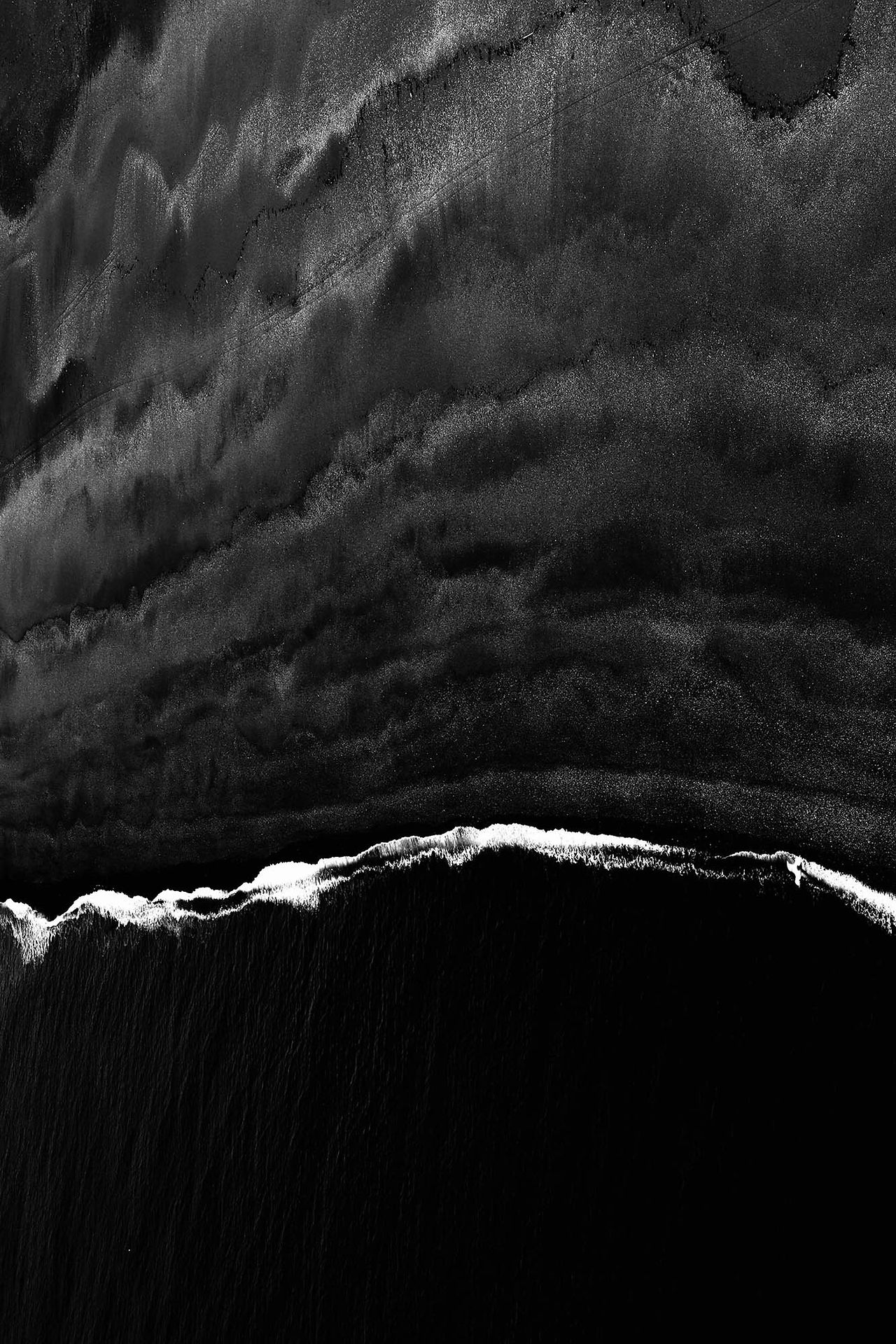


Blackout Tattoos
A style characterized by solid black ink coverage, often used to create bold, graphic designs or to cover up existing tattoos. Blackout tattoos can be a statement piece or a strategic cover-up. This style requires skillful application to achieve smooth, consistent coverage. The bold, opaque nature of blackout tattoos makes them a striking choice. When in doubt black it out.
Future Ink is one of the Bay Area's blackout specialists — Kevin Ligabue leads most blackout work including cover-ups. Full-arm blackouts typically take 3–6 sessions over 6–12 months; pricing is per session. Book consultations through futureink.co/contact at 5251 Broadway in Oakland's Rockridge neighborhood.
Frequently asked questions
How does the blackout tattoo process work?
Blackout tattoos use solid black ink to fully saturate large areas of skin. The process typically requires multiple sessions — outlining the area first, then progressively filling in with multiple passes until full saturation. Each session is spaced 4 to 6 weeks apart for healing. Future Ink in Oakland is one of the Bay Area's blackout specialists.
Can blackout tattoos cover existing tattoos?
Yes — blackout tattooing is a popular method for covering unwanted older tattoos. The dense solid black completely covers prior work, though older saturated colors may require additional sessions. Bring photos of the existing tattoos to a consultation so we can plan the right approach. Kevin Ligabue handles most blackout cover-ups at Future Ink.
How many sessions does a full-arm blackout take?
A full-arm blackout typically requires 3 to 6 sessions depending on arm size, density goals, and skin tone. Each session lasts 3 to 5 hours. Total project time is usually 6 to 12 months including healing periods between sessions. Pricing is per session — discussed during consultation.
Who at Future Ink does blackout tattoos?
Kevin Ligabue (founder) leads blackout work at Future Ink. Both artists handle full-sleeve, full-leg, and large-scale blackout projects, as well as combination work that pairs blackout with Japanese, geometric, or ornamental elements.


